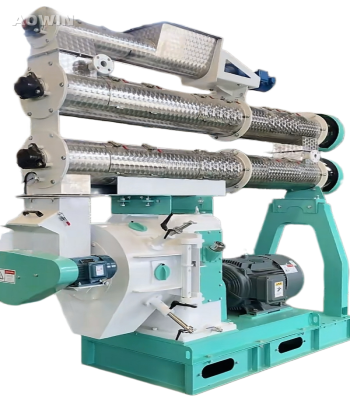
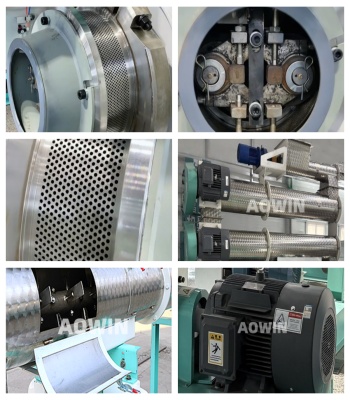
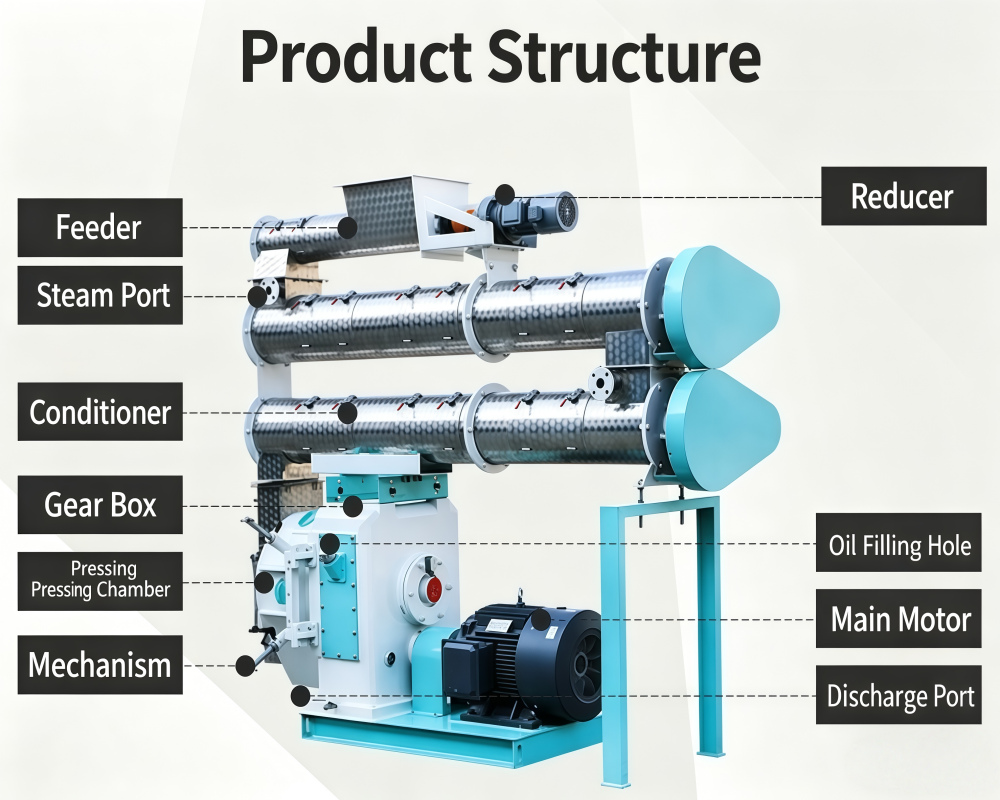
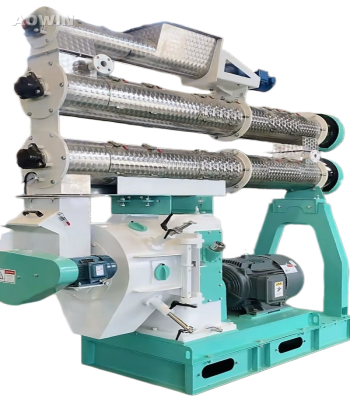
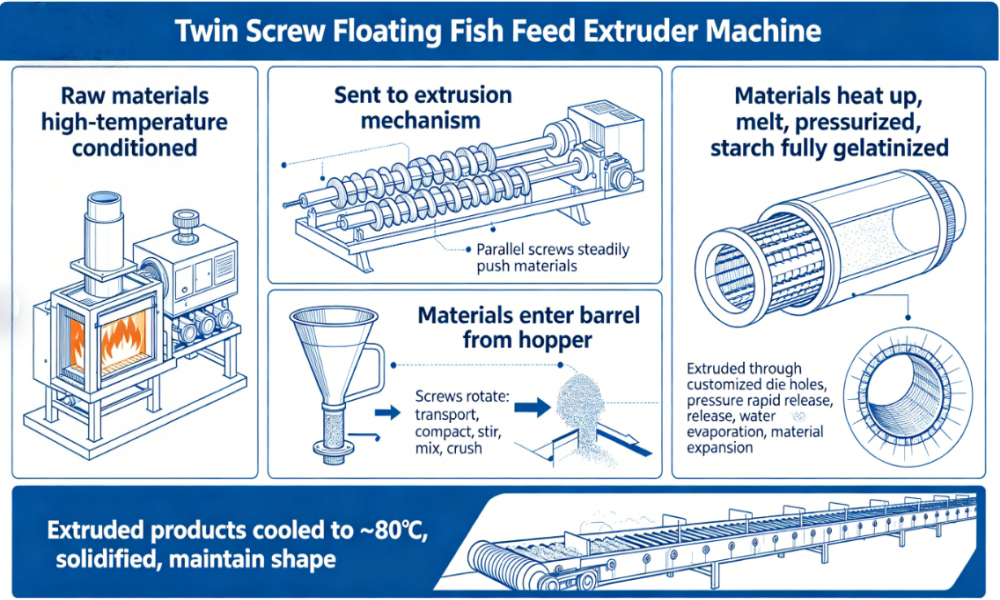
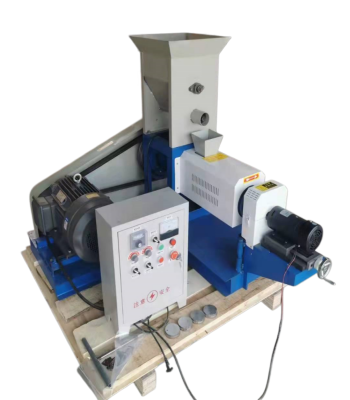
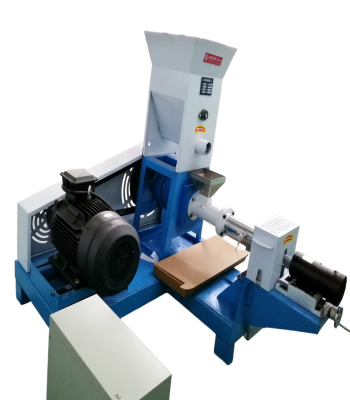
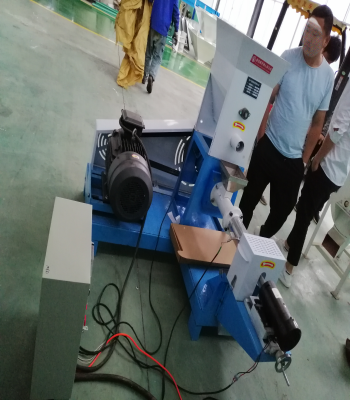
For the twin screw floating fish feed extruder, raw materials are high-temperature conditioned first, then sent to the extrusion mechanism, where parallel screws steadily push them forward.
Materials enter the barrel from the hopper; as screws rotate, they are transported, compacted, stirred, mixed and crushed to ensure uniformity.
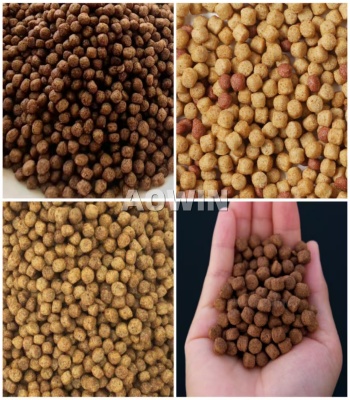
During processing, materials heat up, melt and are pressurized, achieving full gelatinization of raw starch. Extruded through customized die holes, pressure releases rapidly, causing water evaporation and material expansion.
Extruded products are quickly cooled to around 80℃ to solidify and maintain shape, ensuring high-quality floating fish feed pellets for aquatic farming.
Floating Fish Feed Extruder Machine in Malaysia
Name: Floating Fish Feed Plant in Malaysia
Capacity: 1.5-2t/h floating fish feed and 5-6t/h shrimp feed
Feed Pellet Size: 1-12mm
Installation Period: 90 days
Operating Workers: 4-5 persons
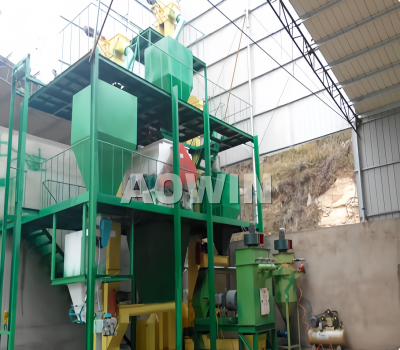
Fish Feed Extruder in Uzbekistan
This fish feed extruder is an essential part of the complete fish feed production line in Uzbekistan.
Total Power: 298 kW
Raw Materials: fish meal, peanut meal, soybean meal, premix, etc.
Pellet Size: 1 mm & 2 mm
Required Workshop: 8m × 5m × 14m (L×W×H)
Operating Staff: 5–6 persons
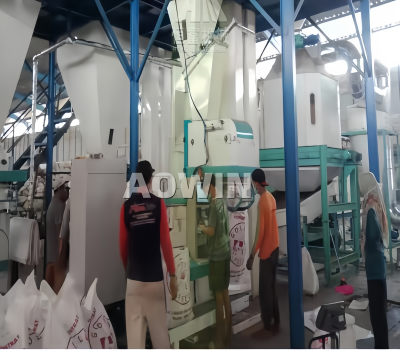
Floating Fish Feed Pellet Making Machine (Nigeria)
This floating fish feed pellet making machine is the core equipment of the 1-2T/H fish feed production line in Nigeria.
Key Parameters (Nigeria Fish Feed Production Line)
Total Power: 58kW
Raw Materials: Fish meal, bone meal, soybean meal, cotton meal (suitable for fish and shrimp feed production)
Feed Pellet Size: 3mm (suitable for shrimp and fish feed)
Workshop Size: 9m × 6m × 13m (L×W×H)
Operating Staff: 2 persons
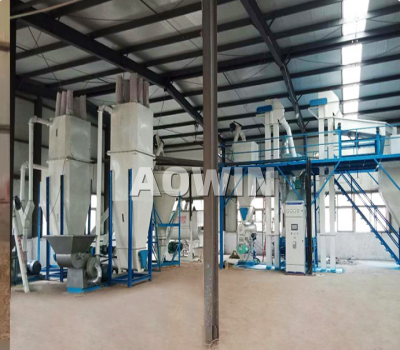
Fish Feed Extruder Machine for Shrimp and Prawn Feed Production (China)
This fish feed extruder machine is a core equipment in the fish feed production line in China, specially designed for shrimp and prawn feed production.
Key Parameters (China Fish Feed Production Line)
Date: July 2025
Production Capacity: 27-28T/H (focused on shrimp and prawn feed production)
Feed Size: 1-4mm (meets the feeding needs of shrimp and prawn)
Installation Period: 60 Days
Control Mode: Automatic control, easy to operate and improve production efficiency
Main Equipment of the Fish Feed Production Line
With rapid economic growth and booming aquaculture industry, the global demand for high-quality aquatic feed has been growing fast, showing a clear trend toward commercialization and large-scale production.
To meet this strong market demand, AOWIN Machinery, combined with years of R&D and manufacturing experience in extrusion equipment, has developed a full range of reliable fish feed production lines.
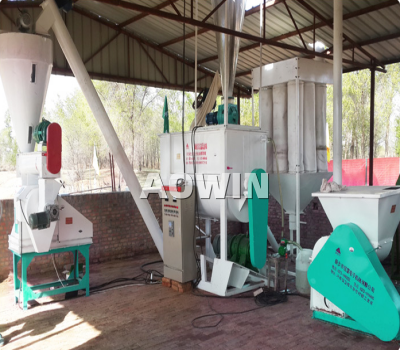
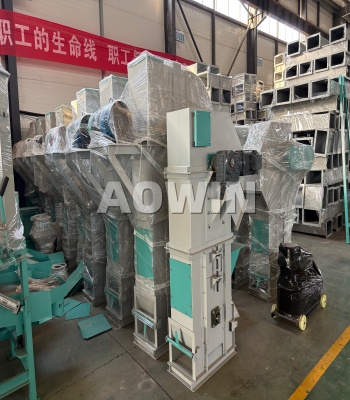
A complete floating fish feed production line mainly consists of the following core equipment: hammer mill, mixing machine, twin-screw fish feed extruder, dryer, and other supporting machines.
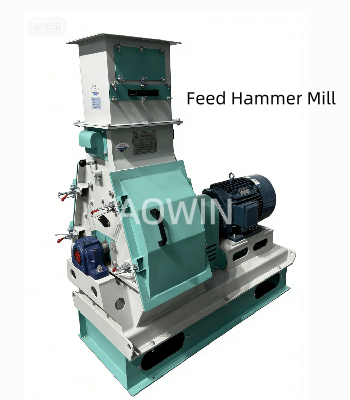
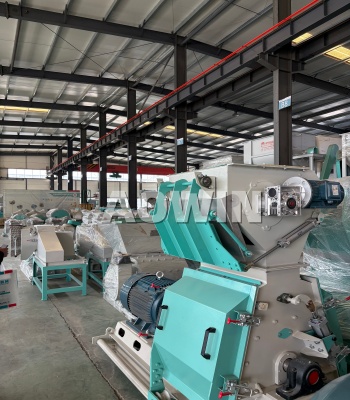
Feed grinder machine
This feed grinder is specially designed to grind raw materials for fish feed production, including corn, sorghum, wheat, beans, cake meals and other agro-industrial by-products.
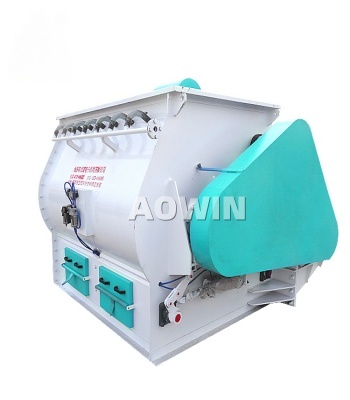
Feed mixer machine
It mixes the crushed fish feed raw materials evenly with a specified proportion of water and additives.
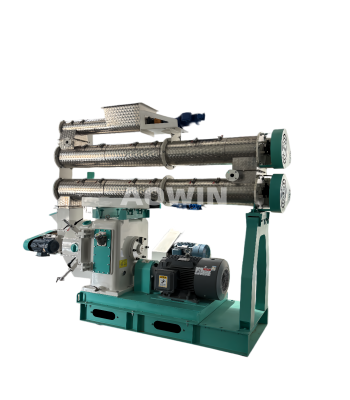
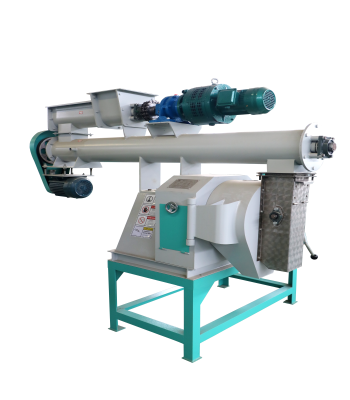
floating fish feed extruder machine
The mixed raw materials are extruded through a die under high temperature and pressure to form uniform feed pellets.
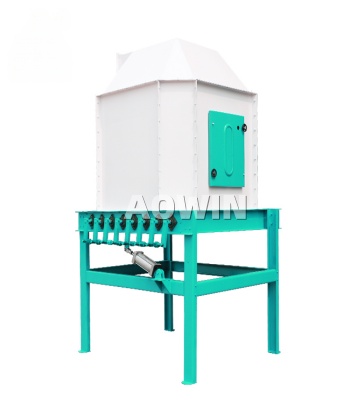
Cooling machine
It cools the dried feed pellets from 80°C to 3–5°C above room temperature, helping oil solidify and making packaging easier.
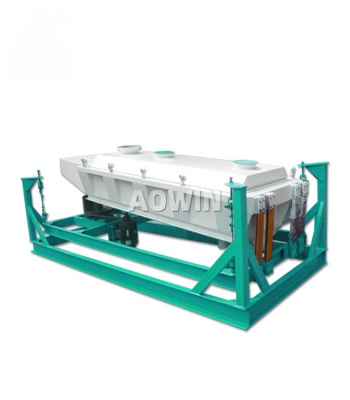
Vibrating screener
It screens out excess impurities and granular residues in feed, grain, flour and food processing, achieving accurate material grading.
Can a Fish Feed Extruder Machine Make Floating Fish Feed Pellets?
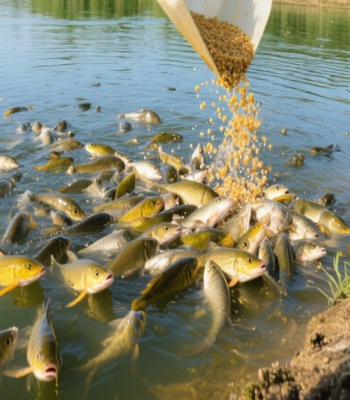
Yes, a professional fish feed extruder is specially designed to produce high-quality floating fish feed pellets efficiently.
Extrusion is an advanced processing technology that cooks materials under high temperature and pressure, combining conveying, crushing, extrusion, shearing, high-temperature sterilization and molding in one step.It handles viscous, high-fat and high-moisture raw materials exceptionally well — a huge advantage over traditional production methods.That’s why it is widely used for premium aquatic feed, pet feed and special aquaculture feed.
What are the advantages of extruded floating aquatic feed pellets?
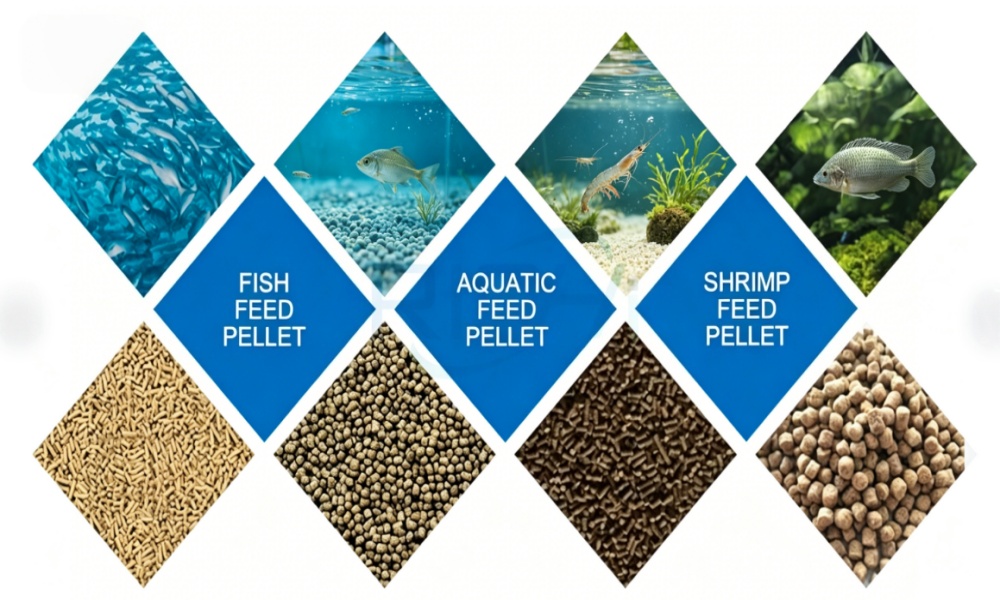
Advantages of Extruded Floating Aquatic Feed Pellets
| 1 | Excellent Water Resistance | Extruded feed pellets feature great water stability and won’t break down even after 12 hours in water. This protects water quality, cuts feed waste, and supports healthy growth of aquatic life. |
| 2 | Higher Digestibility | High temperature, pressure and shearing greatly improve nutrient digestibility. Starch gelatinization reaches over 85%, far higher than ordinary hard pellets (about 40%). It also breaks down fiber and keratin, releasing more absorbable nutrients. |
| 3 | Better Palatability | Extrusion creates porous, even-textured pellets with natural flavor compounds, effectively stimulating appetite and increasing feed intake. |
| 4 | Wider Raw Material Usage | Twin-screw extruders can process high-moisture, high-oil or high-fiber by-products from food and agricultural industries, expanding available feed resources. |
Production Line & Equipment Advice
When building or upgrading a fish feed line, a twin-screw floating fish feed extruder is highly recommended. Choose based on capacity and budget, and check if your existing grinder, dryer and cooler can be reused to save investment.
AOWIN Machinery Service
We provide floating fish feed extruders with various capacities, plus full solutions: plant design, production, installation, training and after-sales support.
Contact us today for your professional aquafeed production plan.
Why Choose AOWIN Machinery?
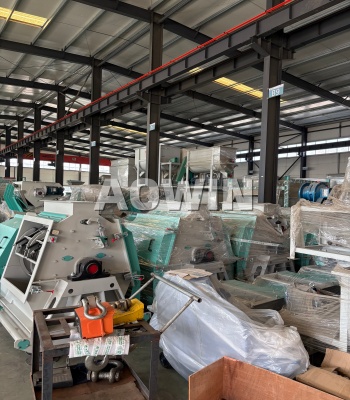
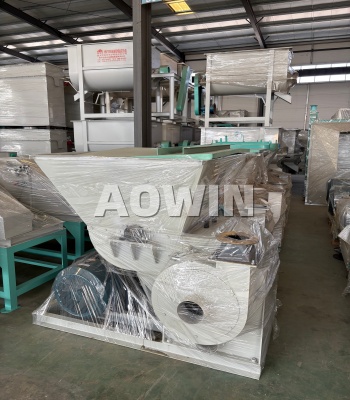
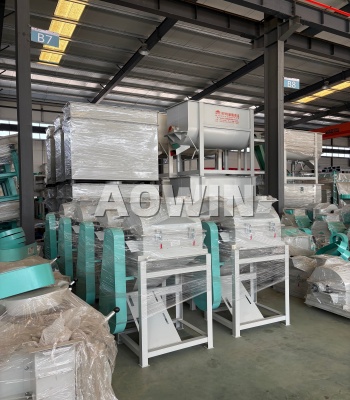
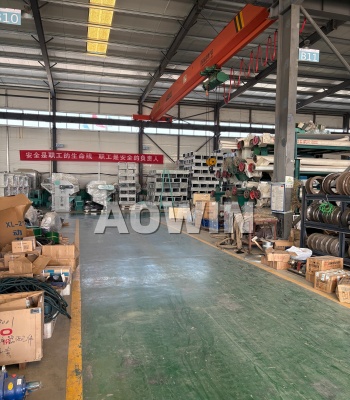
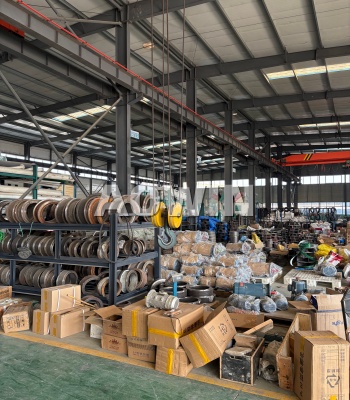
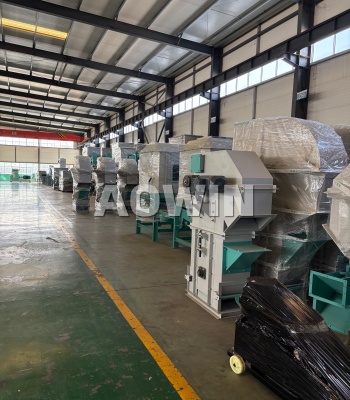
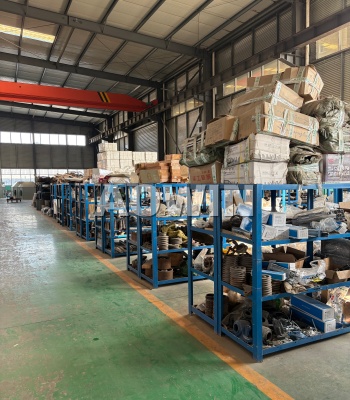
AOWIN Machinery holds CE, ISO and BV certifications, with our own factory and professional production equipment. We are an industrial group specializing in animal feed pellet machinery, biomass pellet machinery, wood pellet machinery and more.
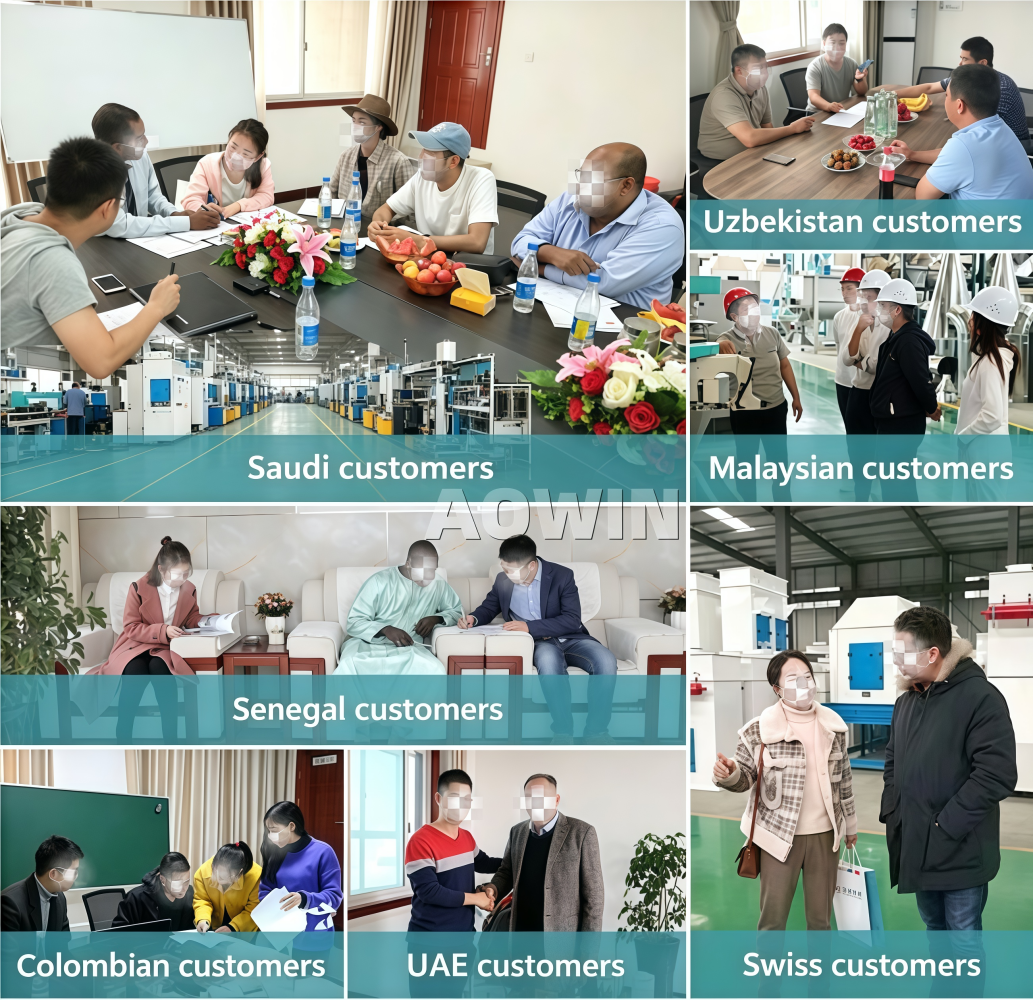
Our machines are sold to many countries and regions worldwide. We provide customized solutions based on your raw materials, production capacity and pellet types.
We also offer comprehensive one-stop service, covering structural design, equipment production, installation and after-sales support.
Feed Machinery Installation & Training
AOWIN Machinery provides a complete technical training and guidance system. Our professional engineers offer free on-site training covering equipment operation, basic maintenance and troubleshooting.
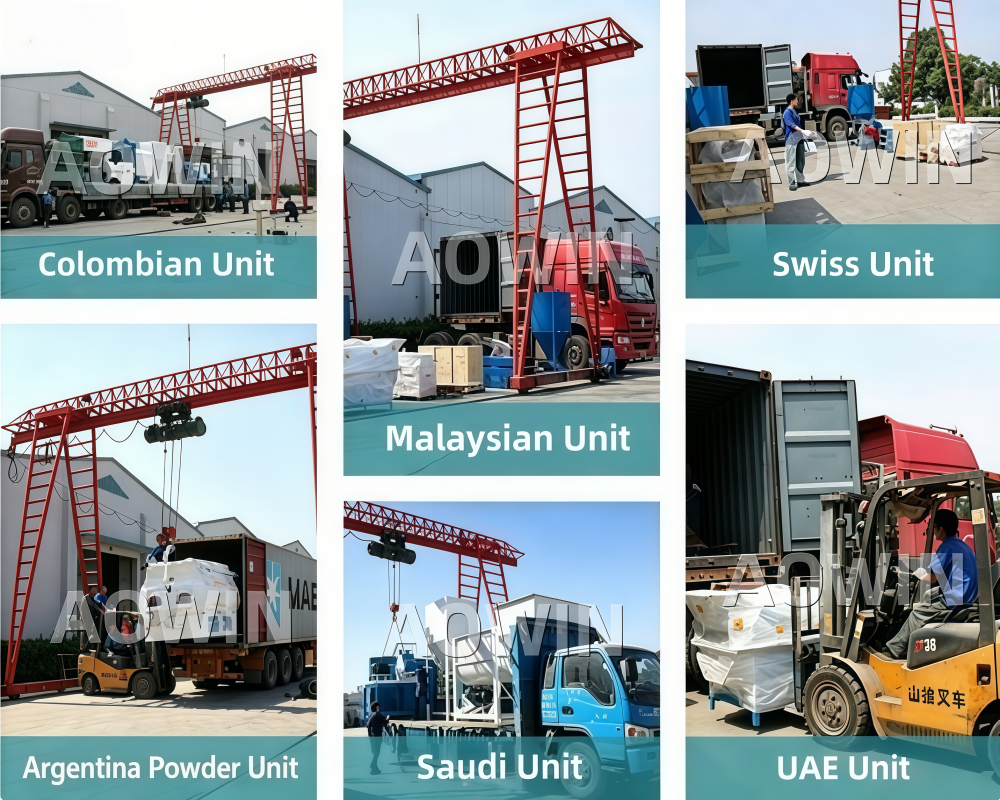
After-Sales Service
AOWIN Machinery specializes in pellet production equipment and features a professional, skilled after-sales team with a modern, digital after-sales management system.We provide one-stop support including spare parts supply, equipment maintenance and repair, solving all your operational problems efficiently.
AOWIN Machinery, as a professional manufacturer of feed processing equipment, provides comprehensive support for your entire project.
If you want to learn more about our floating fish feed extruder machine and complete production line solutions, feel free to contact us directly — we are ready to assist you at any time.
Please write your message here! We will send detail technical info and quotation to you as soon as possible!